Comprehensive Sites on Japan
Schauwecker's Japan Guide - Over 200 Japan Pages
Stockton's Japan Links - Great compilation
Open Directory Project - Japan
Stanford University Japan Links
Griffith University Japan Links
Web Japan
Japan Hot Spots
Sunsite Japan Info
Links on Life In Japan
How Much is That in Japan?
Roger & Marilyn's Photo Tour of Tokyo
Luis Poza's Japan Guide
The Japanese Window
The Japan Biker F.A.Q.
United for a Multicultural Japan
Dining Out In Tokyo
ISP Japan FAQ -- Compare options and companies
Townpage Useful Phone Numbers
Procedures on Registration of Marriage to a Japanese National
Links on Working in Japan
EOL-Japan
A-Kaiwa.net - Free student searching service
EFL Job Information Journal
Ohayo Sensei EFL job-hunting BBS
Guide To Jobs In Japan Useful Info on Job Hunting
The NOVA Union For Staff and Teachers
Work in Japan
So You Want To Be A Hostess?
Links on Cheaper Japanese Accommodations
Kurumi Weekly Mansion
Japan Hotel Network
Toyoko Inn - Discount chain across Japan
Yadokari -- Cheaper hotel list (Japanese)
Hostels in Japan
Japan Hospitality Public Youth Hostel Group
Super Hotel - Nationwide single rooms at 4800 yen (in Japanese).
Economy Hotel New Koyo Tokyo - Cheapest Tokyo hotel
Sakura Hotel - singles, dorms, doubles, with breakfast
Yadoya Guesthouse - 3 dorm-type houses near Nakano Stn, Tokyo.
Shrek-Watta House - NW Tokyo guest house with weekly/monthly discounts
Hotel Juyoh (Tokyo)
Tatami Guesthouse
Yoshida House - Daily & monthly rates, in Nerima-ku
Ryokan Kangetsu (Tokyo)
Ryokan Toki (Tokyo)
Sakura Ryokan (Tokyo)
Hotel New Azuma Taito-ku, Tokyo. Singles from 2900 yen
Capsule Hotel Akabane - For men only, from 3000 yen, in Kita-ku
Tokyo International Youth Hostel
E-Ryokan Nationwide list of Japanese inns
Bookings Modest to 5 star hotels scross Japan
Fuji-Hakone Guest House B&B B&B near Mt. Fuji
Ryokan Reservation Service -- Reserve a cheaper room thru the net (Kansai region only)
Uno House - Inexpensive guest house in Kyoto
Green Peace - Cheap dorm/rooms in Kyoto. 3 night minimum stay
Tour Club -- Cheap dorm in Kyoto with daily & weekly rates.
Tojian Guest House - Cheap Kyoto dorm & private rooms
Palace Side Hotel - Inexpensive downtown Kyoto hotel. Long term discounts too
Budget Inn Kyoto
J-Hoppers - Backpacker's hostel near Kyoto Stn. with net access
Hotel Taiyo - Located in Nishinari-ku, Osaka
Kyoto Craftman Guest House
Hotel Seiryu - Budget hotel in Higashi-Osaka City
U-Comunity Hotel - Higashi-Osaka City - Rooms from 6750 yen
Japan National Tourist Organization--Accomodations Page
International Tourism Center of Japan - Nationwide list of moderately priced accommodations
Tiglion Travel - Japan Hotel Special Rates
Japan Youth Hostels
Japan Hospitality Hostels - 9 hostels across Japan
Taito Ryokan 7 room Tokyo inn with 2-4 people rooms.
Japanese Inn Group
Japan Quick Easy Hotel Plan
My Trip Hotel Reservations
Japanese Guest Houses -- Traditional Japanese inns
Weekly Mansion Tokyo - Budget weekly stays in Kanto, Osaka & Sapporo (in Japanese)
Links on Japanese Long Term Accommodations
Move & Stay Serviced apartments/apartment-hotels/offices in Asia & Australia
J&F Networks - Agents who'll rent to you without a hassle
Sakura House -- Tokyo gaijin houses, private apartments, & hotel.
Oak House - Tokyo
Housing Guide for International Students in Japan
Tokyo Apartment Co.
U&I House - Tokyo guest house & apt.
Nichio Koyu Kikaku - Guest house, gaijin house, and private apt.
Borderless Tokyo Several house sharing accommodations in Tokyo
Apple House - 8 houses in Tokyo
Bamboo House 6 houses in Tokyo & Chiba
Friendship House -- List of a few Tokyo gaijin houses
Green Forest Six Tokyo houses
Guest House Hanata House near Kita-Koshigaya, Tokyo
Imagining - Guest/Gaijin House in Yokohama
Gaijin Houses - With optional cultural classes
Orange House & Banana House - Two Osaka Houses
Osaka English House
Happy Habitat Apt. & Guest Houses in Kyoto
Yamate Homes -- Tokyo homes for sale/rent
At Home -- Find an apt. thru the net (in Japanese only)
Home and apartment rentals across Japan
Ken Corp. -- Monthly home rentals in Tokyo at 500,000 yen and up
Links On Getting Around
Kansai International Airport
Tokyo International (Narita) Airport Page
The Narita Layover Page
Tokyo Subway Map
Other Major City Subway Maps
Japan Rail Pass Info
More Japan Rail Pass Info
Nightbus Cheap overnight buses between Tokyo & Kansai
Kansai Thru Pass - Allows 2-3 days pass on Kansai transportation
Townpage Route Search - JR Travel Navigator - Train fares, routes, & transfers
JR Railways Info on Japan train info, fares, timetables, etc.
Japan Railways Page
JNTO Travel Train routes, fares, timetables, and air routes.
Hyperdia Rail Schedule and Fares
Ferry & Hydrofoil Info
Maps of Japan
Map of Japan
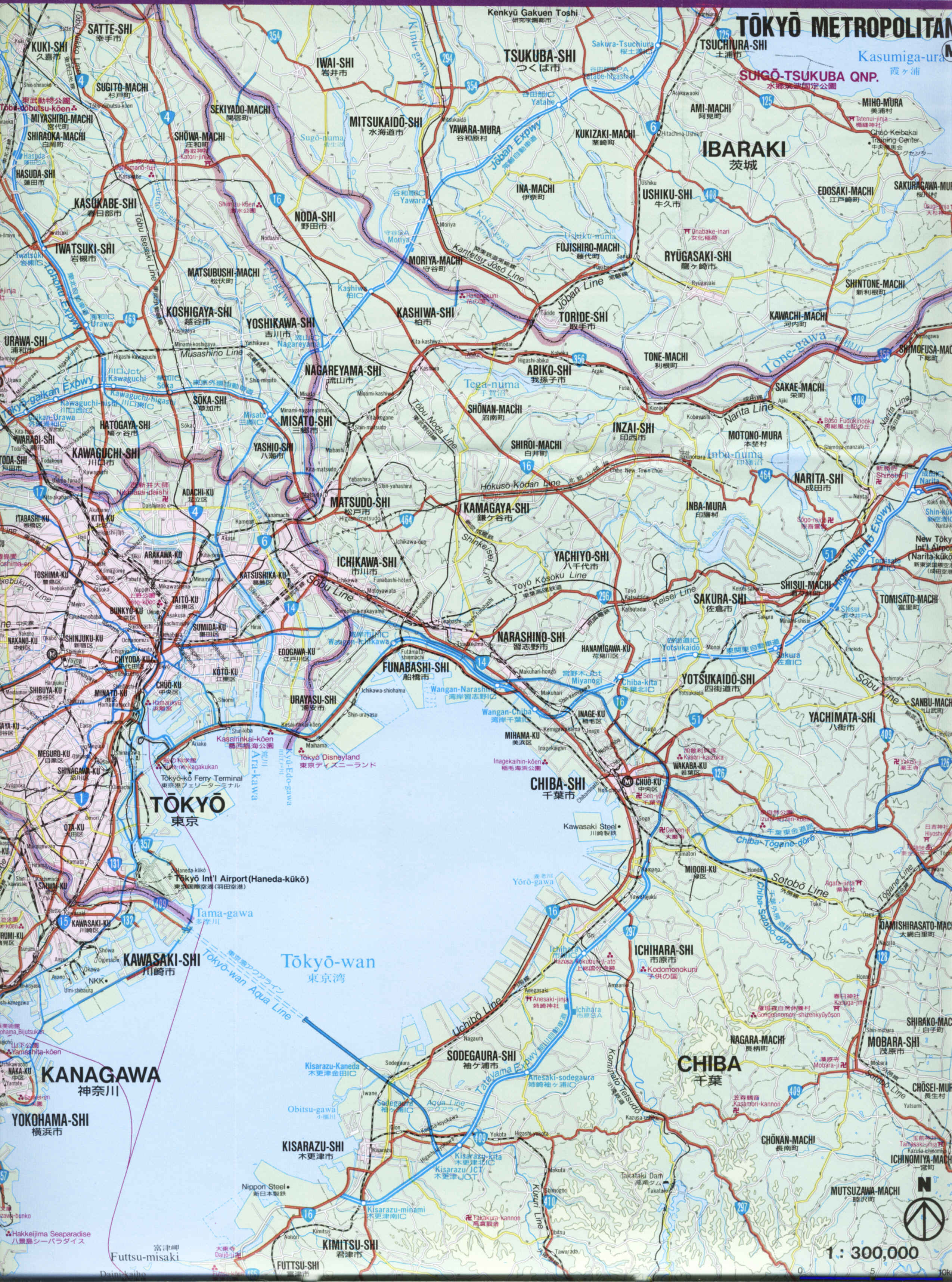
Map of Kanto area
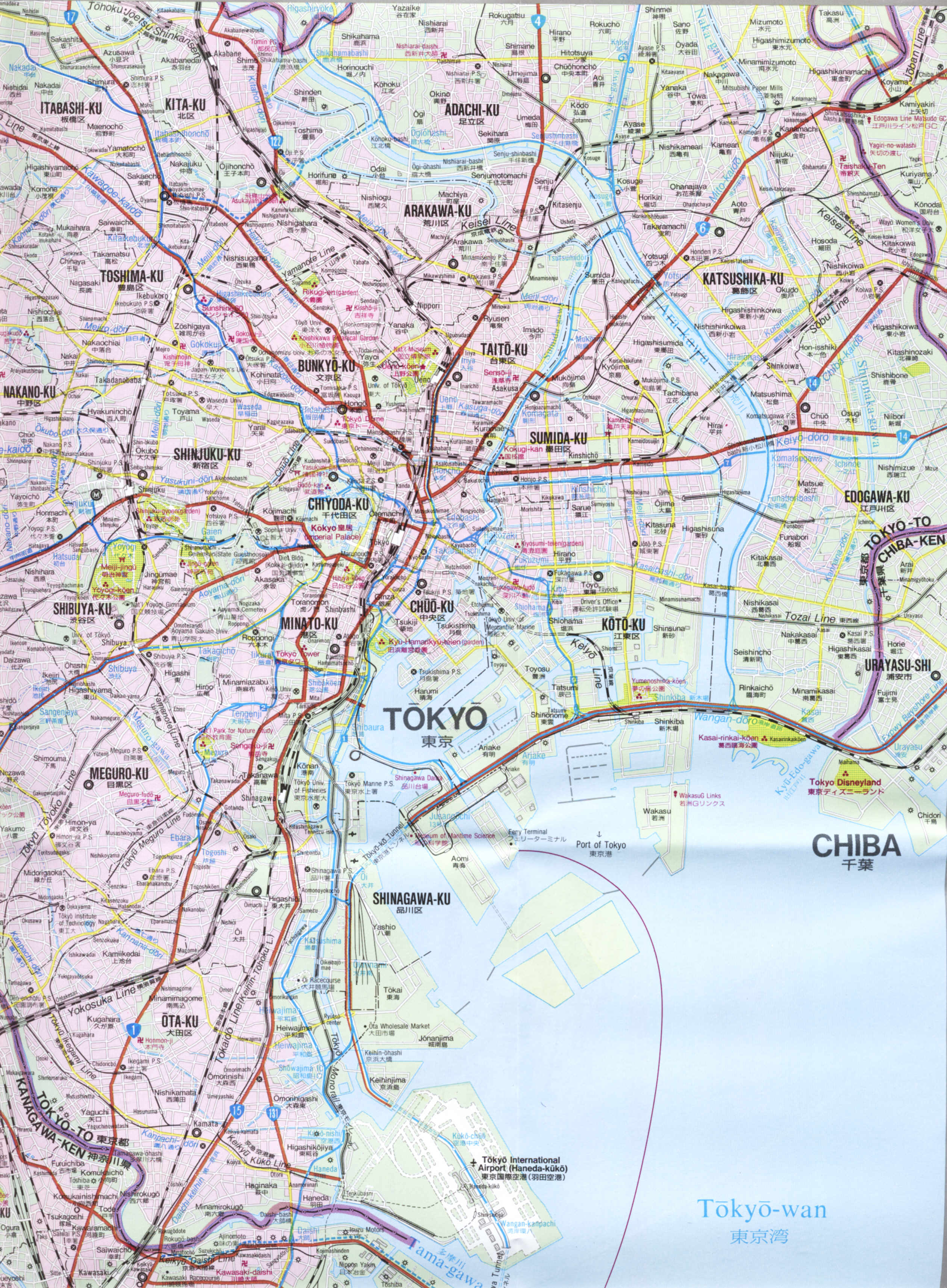
Map of Tokyo
University of Texas Japan Maps - Political & regional maps
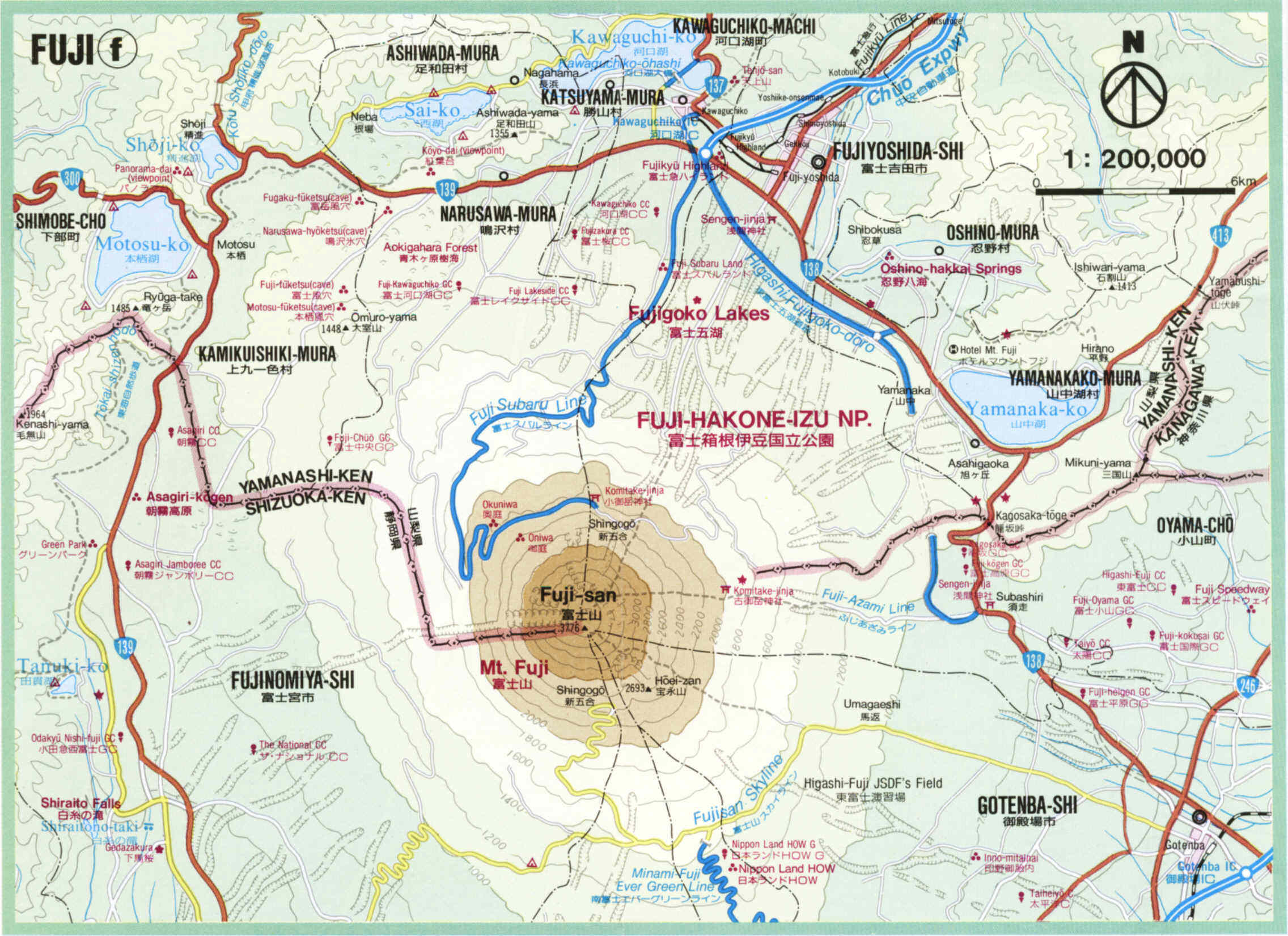
Map of Mt. Fuji area
Map of Hakone area
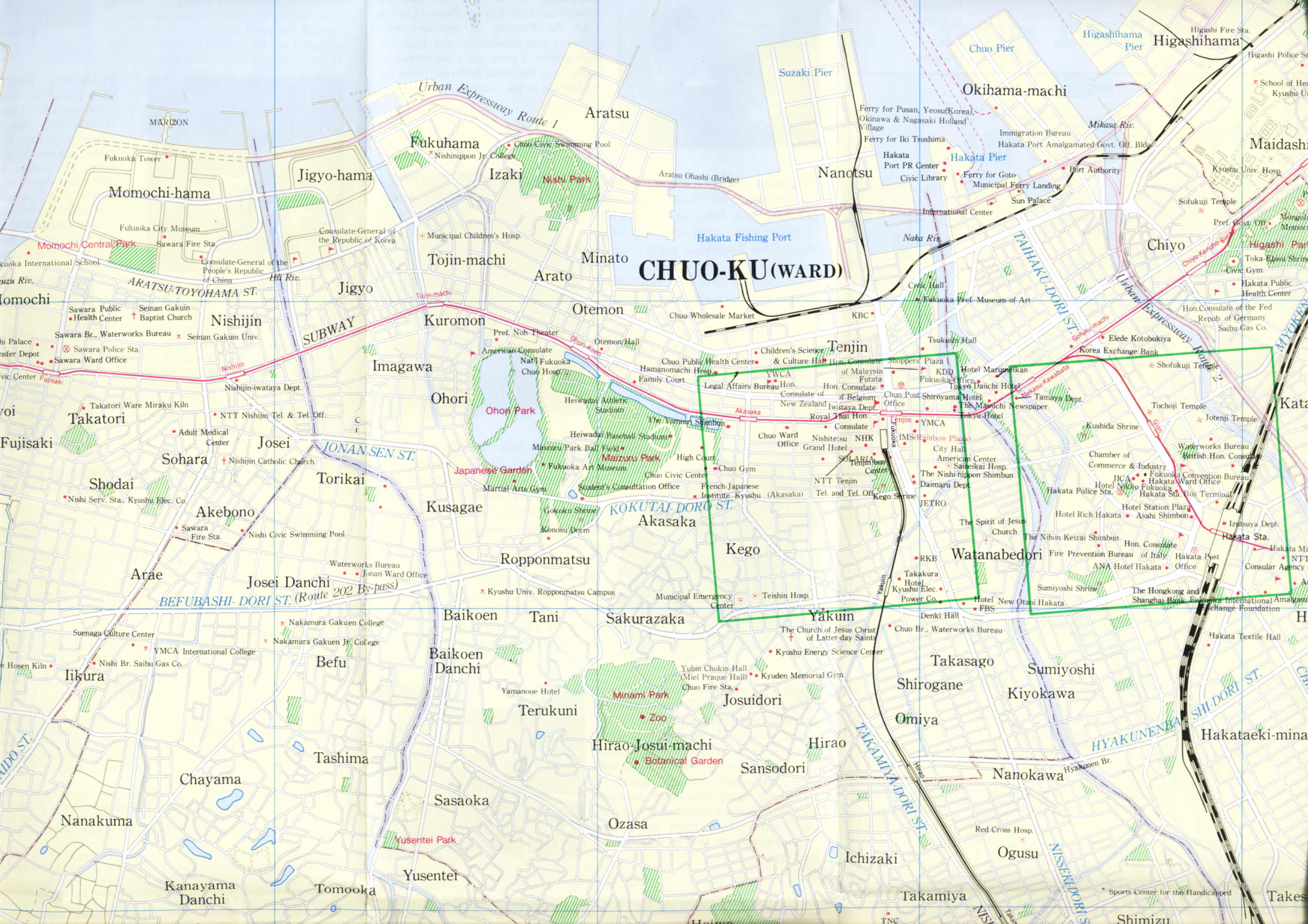
Map of Fukuoka City area
SunSite Japan Maps
Japanese News & Media
AJR Newslink - All the English language newspapers in Japan
Jisho.org - Excellent website Kanji/Japanese word dictionary, plus other language software.
Rikai.com - A *superb* website kanji translation tool.
Live Radio and Television From Japan
The Foreigner Japan
Streaming Radio & TV Real time Japanese broadcasts
Other Good Sites
Vibe Tokyo - Meet Japanese Friends
Japanable
JLinks
2000 Live Radio Stations from the US Live net broadcasts
Kimi Information Center
Gaijin A Go-Go -- See your favorite Hollywood stars in Japanese TV ads!
The Japanese Page - Japanese learning site
Dave's ESL Cafe
Tokyo Pregnancy Group -- Info for expectant and new mothers
The Japan Page - Books & features from Kodansha
J-Friends
Photo Japan/Stock Photography
Tokyo Toilet Map
Asiaco.com Search engine on Asian websites.
Daibutsu, Kamakura

Daibutsu in Kamakura, June 2010. There were thousands of school kids visiting that day. It was still great fun.
Friday, December 22, 2006



Monday, December 18, 2006
Tsurugajo Castle in Aizuwakamatsu City, Fukushima Prefecture
 Earlier this year, I visited the Tsurugajo Castle in Aizuwakamatsu City in Fukushima Prefecture. Aizuwakamatsu is a city of approximately 120,000 people. The city is in a valley surrounded by green mountains on all sides. The town dates back more than a thousand years, and even today many old temples and historical sites remain.
In addition to its rich history, Aizu is famous for its spectacular natural scenery. The area around Bandai san (Mt. Bandai), northeast of Aizuwakamatsu, has been declared a national park. Viewed from the city, the mountain appears to have a soft and gentle shape. However, various volcanic eruptions have given the northern side a rather rugged appearance, which can be viewed from the Bandai Plateau.
The plateau contains about 300 lakes and marshes, and is popular for year-round sports such as skiing and fishing. It is also an ideal area for taking a scenic drive. Inawashiro ko (Lake Inawashiro), on the south side of the mountain, is the third largest lake in Japan. It is said to be one of the clearest lakes in the world. It collects melted snow from Bandai san, and is known as the "Heavenly Mirror Lake". Along with the scenery, Bandai san has many in onsen (hot springs). The Higashiyama and Ashinomaki onsen resorts have many hotels and almost all of them draw hot water directly from the main springs. In addition to having indoor baths, many places also offer outdoor baths known as rotenburo, which enable guests to enjoy the wonderful scenery while relaxing in the great outdoors.
 Tsurugajo Castle has a long history going back before the Edo period. The castle was destroyed at the end of the Edo period but was rebuilt in 1965 in accordance with its original design. It symbolizes the samurai culture in Aizuwakamatsu, the oldest town in Fukushima Prefecture. Ashina Naomori built the Higashi Kurokawa Yakata, the first castle building, in 1384. In 1593, Gamou Ujisato finished building the rest of the castle and changed the name to "Tsurugajo". The stone wall, also completed at that time, still remains and is the foundation of the entire castle area even 400 years later. During the end of the Edo Period, the Aizu soldiers were involved in the Boshin Civil War, which was continued from the Toba Fushimi War. They were defeated after about one month of fighting to protect the castle. The new government destroyed the castle in 1874, (the 7th year of Meiji). The castle stands on a hill 3km. east of AizuWakamatsu Station. It is surrounded by a thousand cherry trees, innumerable evergreens, a stone wall and moat. The white tower rising high in the blue sky provides a view of the entire Aizu valley.
 Although each season has its own special features, the castle grounds are sepecially scenic in the end of April, when the cherry blossoms are in full bloom, and autumn, when the leaves are turning color. The highlight of the Aizu Autumn Festival is the samurai parade on September 23rd.
If you are visiting Japan and would like to travel around the country instead of just staying Tokyo or Kyoto, Aizuwakamatsu in Fukushima prefecture is a nice, historic and naturally scenic place to visit.
Thursday, December 07, 2006
Tochigi, Japan


I just returned from a short trip to Tochigi, Japan. I spent some time in Nikko where I attended a Buddhist 49th day service. It was very interesting as I have never participated in this type of ceremony in my life. It was very cold in Tochigi but it had not yet started snowing.
While I was there, I visited an Aeon Supercenter which is kind of like a Wal-Mart Supercenter except that the Aeon Supercenter is much cleaner and more organized than any Wal-Mart store I have ever been in. Shoppers back here in America are very sloppy and the stores in America also don't take much effort to keep organized and pick up merchandise that has fallen to the floor. Wal-Mart, Target and Ross stores are the worst. In Japan, retail stores are much cleaner and more organized. I don't recall ever seeing a peice of clothing on the floor in a Japanese retail store.
I also ate at several restaurants. It is a myth that everthing is expensive in Japan for foreigners. Although it may be expensive in Tokyo in someplaces where the foreign tourists go, much of Japan is not that expensive. One restaurant we went to, three of us stuffed ourselves with several different types of food such as pizza and pasta and I had a cheesy meat sauce rice dish and it all cost only about $20.00. Ramen places and restaurants such as Coco's are not expensive at all. In addition, a retail store called Uniqlo, which is like the Gap, is very inexpensive. They have things like two fleece jackets for only about $30.00. Really cheap.
I ate at McDonald's in Japan for the first time. I assumed that McDonald's in Japan or in any other country would taste different than in the United States. However, it tasted the same. The cheeseburger and the fries tasted just as good and the burger was the same size. I was under the impression that it would be smaller but it wasn't.
So if you are visiting Japan, stay away from the typical tourist type restaurants like the ones near your hotel or in the Ginza and try and find the basic ramen place or a Coco's.
Monday, November 20, 2006
A Geisha in Los Angeles
On Saturday, I met an actual, real live Geisha. How can I meet a real actual Geisha in Los Angeles you ask? A documentary film about today's Geisha of Kyoto was showing in Los Angeles and I went to see it. Kyoto Geisha are actually called Geiko.
Below is the website of the documentary film which was called Hanari Geisha Modern:
http://www.geishamodern.com/
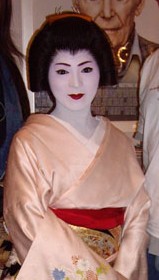
On the night that I attended, the Director, the Writer and an actual Geisha from the film were there to answer questions from the audience. The Geiko's name was Makoto and she was dressed in her kimono and painted white face. Makoto is from Kyoto. After the film she went to the lobby and people were able to take photos with her. I do not have any photos of myself with her because I did not think to bring my camera. I am so mad because I would love to have had a picture with her . Oh well.
Here is a picture of the Geiko Makoto from that night from another person's camera. She looks amazing.

Here is a description of the documentary film from the website.
Hannari - Geisha Modern is a documentary film, which is truly unique in its approach. There have been numerous documentaries on the Geisha, which were limited to educating the audience through narration and interviews with scholars. Our approach is much more visual and aural, allowing the audience to take in the atmosphere through the images, the sounds of the instrument and the soft, melodic dialect spoken by the geisha.
The producer/director, Miyuki Sohara has trained alongside the geisha in Kyoto, working for several years to cultivate relationships within the geisha community. Her efforts have garnered this film crew a level of support no other film/TV crew has ever been granted.
Many of the popular films and stories about the Geisha tend to perpetuate the unwelcome notion that those who become geisha are victims of circumstance. Hannari - Geisha Modern shows the Geisha as dedicated artists and proud purveyors of Japanese tradition in their full glory.
For the first time in history, all Geisha districts in Kyoto were filmed.
Yuki, a geisha who married the nephew of J. P. Morgan 100 years ago.
Makoto pursues two careers as a Geisha and as a Jazz singer today.
The sprit of hospitality and the subdued beauty of the Geisha of Kyoto.Feel the beauty of the old and new Japan through the world of the Geisha.
Someday I will go to Kyoto and I hope I will be able to have my picture taken with another Geiko.
Here is a really good video of a Maiko performing a traditional dance.
Below is the website of the documentary film which was called Hanari Geisha Modern:
http://www.geishamodern.com/
On the night that I attended, the Director, the Writer and an actual Geisha from the film were there to answer questions from the audience. The Geiko's name was Makoto and she was dressed in her kimono and painted white face. Makoto is from Kyoto. After the film she went to the lobby and people were able to take photos with her. I do not have any photos of myself with her because I did not think to bring my camera. I am so mad because I would love to have had a picture with her . Oh well.
Here is a picture of the Geiko Makoto from that night from another person's camera. She looks amazing.


Here is a description of the documentary film from the website.
Hannari - Geisha Modern is a documentary film, which is truly unique in its approach. There have been numerous documentaries on the Geisha, which were limited to educating the audience through narration and interviews with scholars. Our approach is much more visual and aural, allowing the audience to take in the atmosphere through the images, the sounds of the instrument and the soft, melodic dialect spoken by the geisha.
The producer/director, Miyuki Sohara has trained alongside the geisha in Kyoto, working for several years to cultivate relationships within the geisha community. Her efforts have garnered this film crew a level of support no other film/TV crew has ever been granted.
Many of the popular films and stories about the Geisha tend to perpetuate the unwelcome notion that those who become geisha are victims of circumstance. Hannari - Geisha Modern shows the Geisha as dedicated artists and proud purveyors of Japanese tradition in their full glory.
For the first time in history, all Geisha districts in Kyoto were filmed.
Yuki, a geisha who married the nephew of J. P. Morgan 100 years ago.
Makoto pursues two careers as a Geisha and as a Jazz singer today.
The sprit of hospitality and the subdued beauty of the Geisha of Kyoto.Feel the beauty of the old and new Japan through the world of the Geisha.
Someday I will go to Kyoto and I hope I will be able to have my picture taken with another Geiko.
Here is a really good video of a Maiko performing a traditional dance.
Thursday, November 16, 2006
Little Tokyo, Los Angeles
One of the places I like to walk to and around on my lunch breaks is Little Tokyo. It is about three or four blocks from my office and I walk past the LA City Hall to get there.

The main street of little Tokyo is First Street. It is mostly little restaurants that serve ramen or sushi or curry or bento boxes. I have eaten at several of them and they are pretty good. At night the street is well lit and there are usually many other people walking around so you can fell comfortable to be there at nighttime. Here is a picture of First Street:

Right behind these buildings is a monument called the Go For Broke monument. During World War Two, many Japanese American men volunteered for the American military. They were put into their own units and they won more medals for bravery than any other American unit. The monument recognizes the bravery of the units and it was dedicated in 1999. Here are some pictures:


Next to the monument is the Japanese American National Museum. It is a combination new building and an old historic building. They have many exhibitions and shows but I have not yet been inside the museum. Here is a picture of the historic part of the museum which used to be part of an old Buddhist temple, the Nishi Hongwanjii Buddhist temple:


Across the street from the museum is an outdoor shopping center. It has many restaurants and gets very busy at lunch time. At the entrance to the shopping center is a replica of a fire lookout tower in old rural Japan. It is called a Yagura tower.

On the other side of the shopping center is a statue of a Japanese man, Sonotoko (Kinjiro) Ninomiya. There is also a town in Japan that is named after the man that came from humble beginnings yet pursued knowledge. The young Ninomiya—born into a poor family and orphaned at a young age—is reading a book even while working. In addition to lifting himself out of poverty with innovative agricultural methods he helped a number of feudal clans achieve financial health. Ninomiya also developed the idea that benefits received should be repaid—Hotoku or to repay virtue.

During the 1990's, Little Tokyo was really having a hard time. After the Japanese economy went down, there were not very many Japanese tourists coming to Little Tokyo like there used to be and business was very slow. Today, like in the other parts of Downtown Los Angeles, there are many new condo and apartment building developments in and around Little Tokyo. This has brought many more people and business to Little Tokyo, especially at night. Here is picture of another shopping area in Little Tokyo at night:

Friday, November 03, 2006
Another Japan trip
I am going to Japan for Thansgiving. My wife's grandfather passed away. Like most Japanese, it is custom that the deceased is placed at the mortuary or at the family alter. In our case, he was placed at home at the family alter. The Wake Service and Wake was conducted. A Buddhist priest arrived and met with the family and after the Wake the funeral was conducted. After the cremation, the urn was taken home.
I will be arriving for the 49th day memorial service where I believe the Urn will be placed in the family cemetary. This will be done in Nikko.
Below is a picture from my last trip. I am holding Owen.

I will be arriving for the 49th day memorial service where I believe the Urn will be placed in the family cemetary. This will be done in Nikko.
Below is a picture from my last trip. I am holding Owen.

Subscribe to:
Posts (Atom)